ProofHub
ProofHub helps organize work so tasks, ownership, and deadlines are not scattered across email, chat, and notes. It fits agencies, service teams, or client projects where communication and approvals need to stay together. It makes the most sense when the team keeps simple rules and uses the tool as a shared source of truth for work.
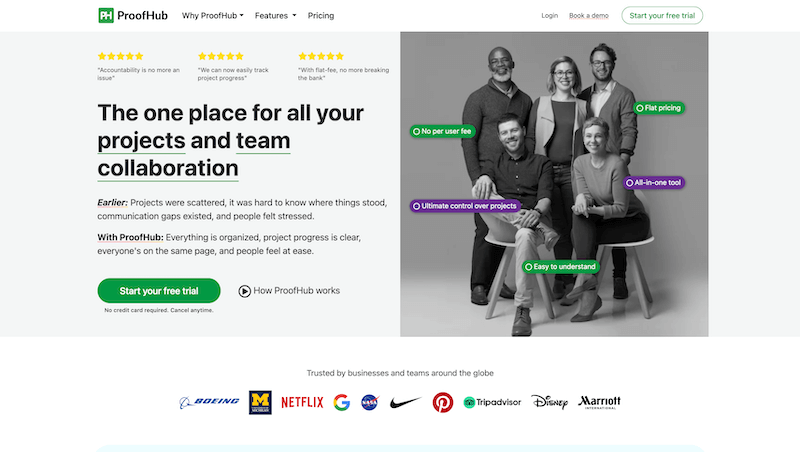
ProofHub makes sense when a team needs to combine tasks, discussions, files, approvals, and client collaboration without switching between many apps.
With tools like this, the goal is not to fill in as many fields as possible. The important part is that everyone quickly understands what is open, who owns it, and what should happen next.
Where it fits best
It fits agencies, service teams, or client projects where communication and approvals need to stay together.
The practical benefit is better visibility of work. The team does not have to keep asking for status in chat because the basic information lives in one place.
Simple workflow
A good workflow is simple enough for the team to actually use. Statuses, tags, and priorities should support decisions, not create more administration.
If the process is too complex, people start bypassing it and trust in the tool drops quickly.
Communication around tasks
A major benefit is keeping communication close to the work it belongs to. Context does not remain hidden in private threads or lost messages.
That helps when handing over work, returning to an older decision, or onboarding someone new into the project.
What to watch out for
The risk is relying on the tool instead of a clear approval process. Client collaboration needs simple rules and expectations.
With ProofHub, it is better to start with a smaller workflow and expand it only when the team actually needs it.
hub Related tools
Explore similar tools
A random selection of tools from the same category.
Smartsheet
Smartsheet helps organize work so tasks, ownership, and deadlines are not scattered across email, chat, and notes. It fits planning, operational overviews, project schedules, and processes where a spreadsheet-like view still makes sense. It makes the most sense when the team keeps simple rules and uses the tool as a shared source of truth for work.
Checklister
Checklister makes sense as a work organization tool when tasks can no longer live only in someone’s head, email, or a loose spreadsheet. It makes sense for repeatable processes where no step should be missed and the same procedure should be followed across the team. Its biggest value appears when the team uses clear rules and the tool supports work instead of becoming another place for chaos.
MeisterTask
MeisterTask helps with organizing work, tasks, projects, responsibilities, and team collaboration in a more transparent way, so the work stays easier to understand, manage, and improve over time. It is useful when you want to rely on a proven tool instead of solving the same recurring need with an improvised process.
add_circle Missing a tool?
Suggest a tool for the list
If you could not find a useful tool here, send me its name and URL. I will review it and consider adding it to the public catalog.
