Work
Tools for work, projects and productivity
15 tools
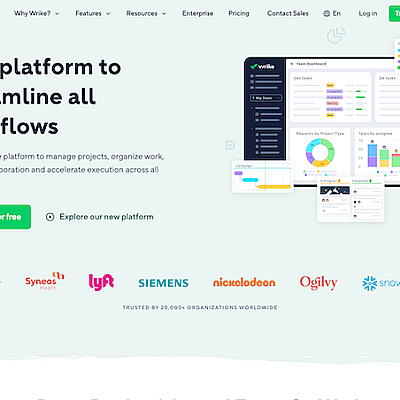
Wrike
Wrike helps organize work so tasks, ownership, and deadlines are not scattered across email, chat, and notes. It fits larger teams, marketing operations, agencies, or organizations where multiple types of work and approvals meet. It makes the most sense when the team keeps simple rules and uses the tool as a shared source of truth for work.
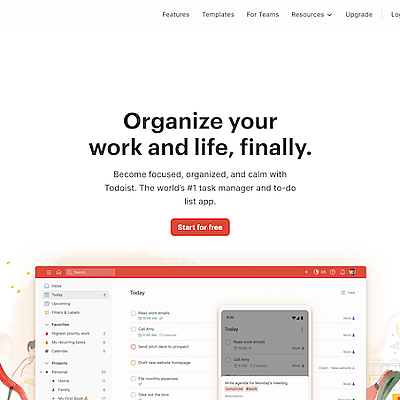
Todoist
Todoist helps organize work so tasks, ownership, and deadlines are not scattered across email, chat, and notes. It fits personal productivity, recurring tasks, simple projects, and situations where a robust project system is unnecessary. It makes the most sense when the team keeps simple rules and uses the tool as a shared source of truth for work.
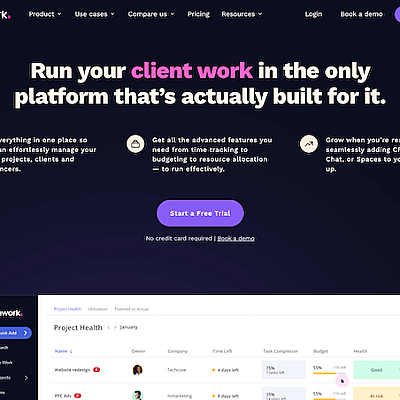
Teamwork
Teamwork helps organize work so tasks, ownership, and deadlines are not scattered across email, chat, and notes. It fits client projects where deadlines, ownership, time spent, and ongoing communication need to be tracked. It makes the most sense when the team keeps simple rules and uses the tool as a shared source of truth for work.
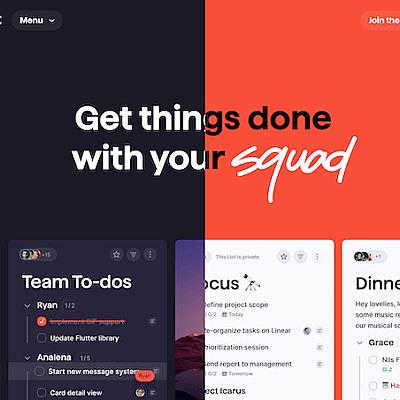
Superlist
Superlist helps organize work so tasks, ownership, and deadlines are not scattered across email, chat, and notes. It fits daily tasks, personal organization, small shared lists, and work that does not need a complex project methodology. It makes the most sense when the team keeps simple rules and uses the tool as a shared source of truth for work.
Smartsheet
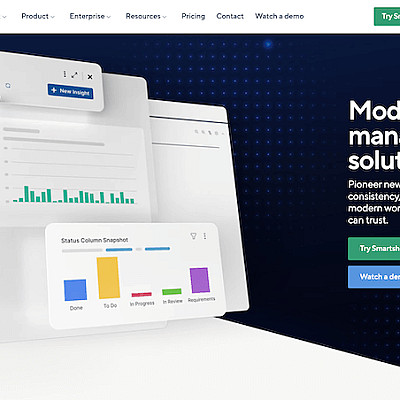
Smartsheet helps organize work so tasks, ownership, and deadlines are not scattered across email, chat, and notes. It fits planning, operational overviews, project schedules, and processes where a spreadsheet-like view still makes sense. It makes the most sense when the team keeps simple rules and uses the tool as a shared source of truth for work.
ProofHub
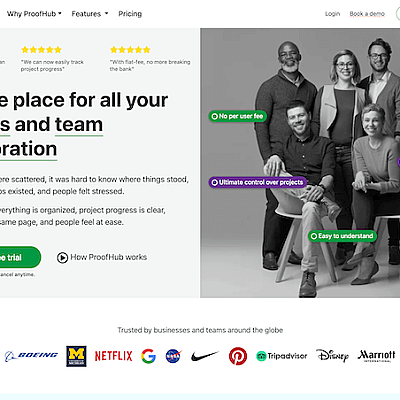
ProofHub helps organize work so tasks, ownership, and deadlines are not scattered across email, chat, and notes. It fits agencies, service teams, or client projects where communication and approvals need to stay together. It makes the most sense when the team keeps simple rules and uses the tool as a shared source of truth for work.
Notion
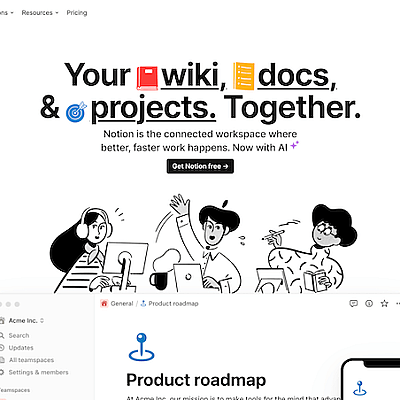
Notion helps organize work so tasks, ownership, and deadlines are not scattered across email, chat, and notes. It fits teams that need to connect knowledge and work: documents, processes, content plans, lightweight CRM views, or internal wikis. It makes the most sense when the team keeps simple rules and uses the tool as a shared source of truth for work.
NiftyPM
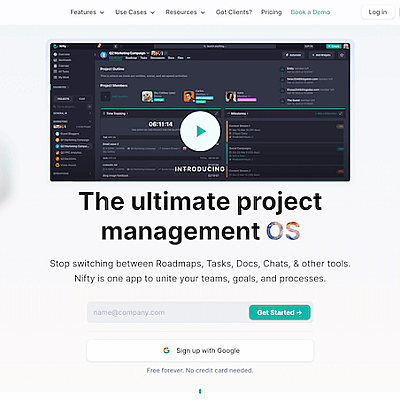
NiftyPM helps organize work so tasks, ownership, and deadlines are not scattered across email, chat, and notes. It makes sense for teams that need to see not only a task list, but also broader project progress and communication around it. It makes the most sense when the team keeps simple rules and uses the tool as a shared source of truth for work.
Monday
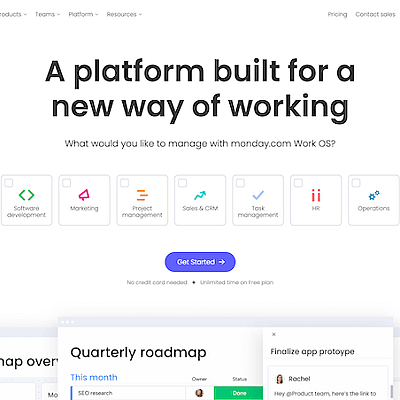
Monday helps organize work so tasks, ownership, and deadlines are not scattered across email, chat, and notes. It fits teams that need more flexibility than a basic task manager and want to adapt work views to their process. It makes the most sense when the team keeps simple rules and uses the tool as a shared source of truth for work.
MeisterTask
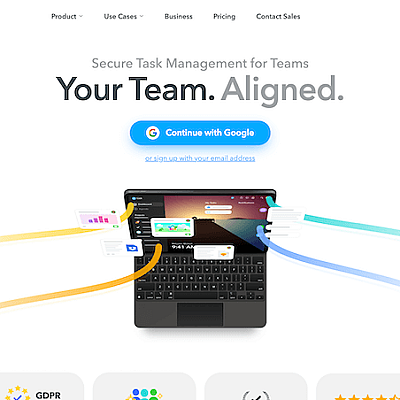
MeisterTask helps with organizing work, tasks, projects, responsibilities, and team collaboration in a more transparent way, so the work stays easier to understand, manage, and improve over time. It is useful when you want to rely on a proven tool instead of solving the same recurring need with an improvised process.
Hive
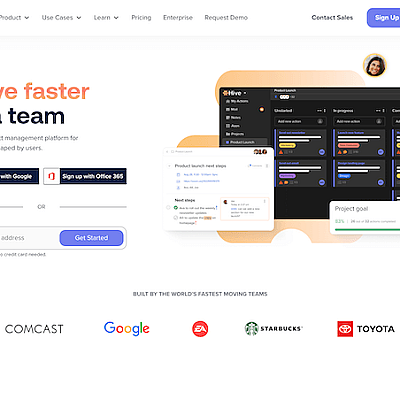
Hive makes sense as a work organization tool when tasks can no longer live only in someone’s head, email, or a loose spreadsheet. It fits teams that want to combine tasks, project views, communication, and reporting in one work environment. Its biggest value appears when the team uses clear rules and the tool supports work instead of becoming another place for chaos.
Checklister
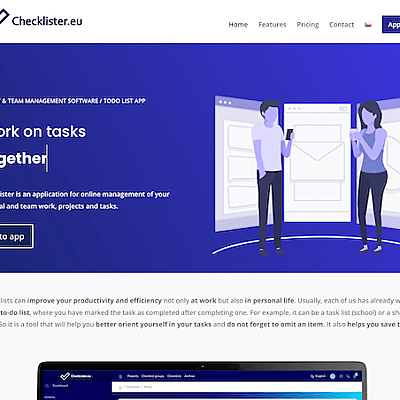
Checklister makes sense as a work organization tool when tasks can no longer live only in someone’s head, email, or a loose spreadsheet. It makes sense for repeatable processes where no step should be missed and the same procedure should be followed across the team. Its biggest value appears when the team uses clear rules and the tool supports work instead of becoming another place for chaos.
Basecamp
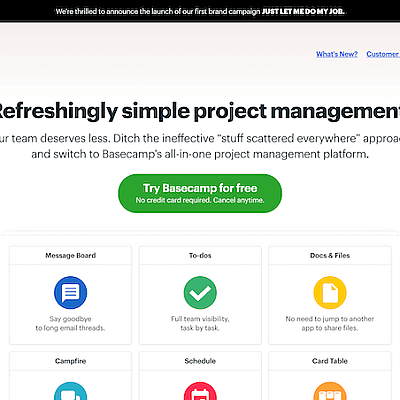
Basecamp helps with organizing work, tasks, projects, responsibilities, and team collaboration in a more transparent way, so the work stays easier to understand, manage, and improve over time. It is useful when you want to rely on a proven tool instead of solving the same recurring need with an improvised process.
Atlassian
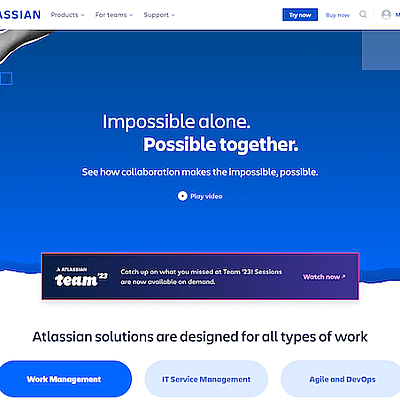
Atlassian makes sense as a work organization tool when tasks can no longer live only in someone’s head, email, or a loose spreadsheet. It makes the most sense for technical teams that need to connect development, documentation, issue tracking, and a knowledge base. Its biggest value appears when the team uses clear rules and the tool supports work instead of becoming another place for chaos.
Asana
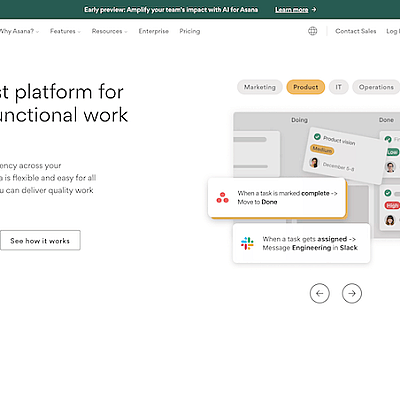
Asana makes sense as a work organization tool when tasks can no longer live only in someone’s head, email, or a loose spreadsheet. It fits teams that need to connect tasks, projects, deadlines, and simple workflows without a heavy methodology. Its biggest value appears when the team uses clear rules and the tool supports work instead of becoming another place for chaos.
add_circle Missing a tool?
Suggest a tool for the list
If you could not find a useful tool here, send me its name and URL. I will review it and consider adding it to the public catalog.
