SEMrush
SEMrush is a broad marketing tool for SEO, PPC, competitors, content, and brand visibility. It makes sense when several online marketing perspectives need to be connected in one interface. Its real value is not the amount of metrics, but the ability to turn them into concrete priorities.
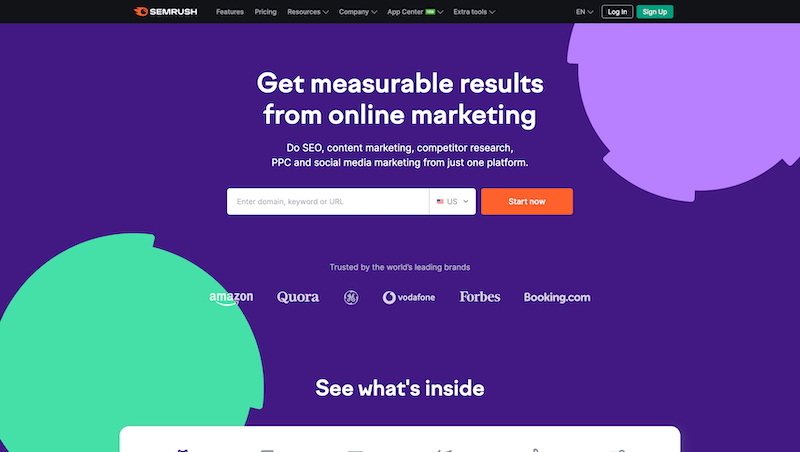
SEMrush is a broad tool that can easily feel like everything in one place. That is both an advantage and a risk. The advantage is data coverage, the risk is getting lost in it.
It works best when you know the question in advance: competitors, keywords, paid campaigns, content, or technical website health.
SEO and competitors
SEMrush helps quickly see which topics and queries give competitors visibility. That is a good starting point for content and technical priorities.
As with other SEO tools, the goal is not copying. The goal is finding space where your own site can provide a better answer.
PPC and marketing context
One strength is connecting SEO and paid data. For some queries, content is the better path; for others, advertising may make more sense.
When data is read together, marketing decisions are usually more accurate than when each channel is viewed separately.
Content and topics
SEMrush can help with topic discovery, content structure, and checking whether the site covers important parts of the customer journey.
Content should not be rewritten only because of a metric. It still has to serve people, not just fill a keyword gap.
What to watch out for
Broad tools encourage dashboard thinking. Many charts do not automatically create a good decision.
SEMrush is most valuable when used deliberately: question, analysis, decision, action, and later evaluation.
hub Related tools
Explore similar tools
A random selection of tools from the same category.
Internet Archive (Wayback Machine)
I use Internet Archive (Wayback Machine) mainly when data should lead to a practical decision, not just another report. It helps inspect older versions of websites, recover lost content, verify changes over time, or understand how a site evolved. It makes the most sense when results are reviewed regularly and connected to specific changes on the website or in campaigns.
Sklik
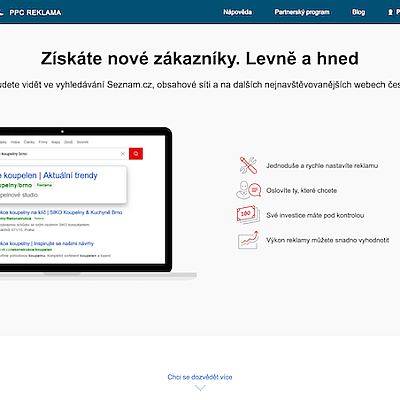
Sklik is Seznam’s advertising system and makes the most sense for the Czech market. It helps reach users in search, the content network, and other ad formats outside the Google ecosystem. Its biggest value appears when used as part of a local marketing mix, not as an automatic copy of Google Ads.
Google Search Console
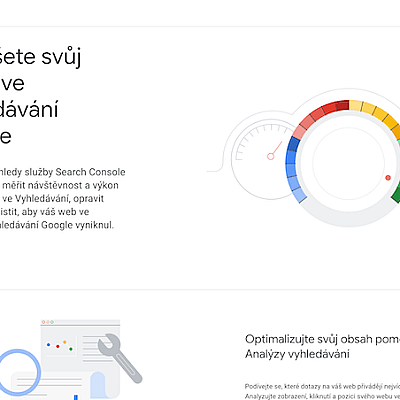
I use Google Search Console mainly when data should lead to a practical decision, not just another report. It helps monitor queries, impressions, clicks, indexing, technical issues, and how Google actually sees the website. It makes the most sense when results are reviewed regularly and connected to specific changes on the website or in campaigns.
add_circle Missing a tool?
Suggest a tool for the list
If you could not find a useful tool here, send me its name and URL. I will review it and consider adding it to the public catalog.
