SEO
Tools for search engine optimization
21 tools
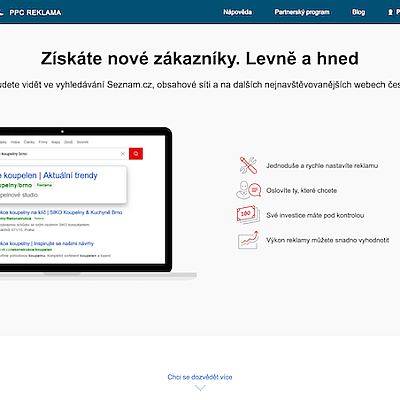
Sklik
Sklik is Seznam’s advertising system and makes the most sense for the Czech market. It helps reach users in search, the content network, and other ad formats outside the Google ecosystem. Its biggest value appears when used as part of a local marketing mix, not as an automatic copy of Google Ads.
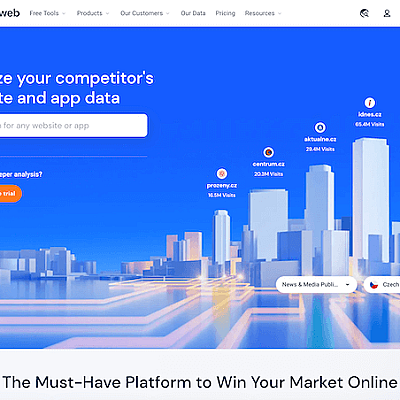
SimilarWeb
SimilarWeb helps estimate traffic, acquisition sources, and the competitive position of websites or digital products. It is useful for market comparison, competitor benchmarking, and channel orientation. It makes the most sense as a strategic estimate, not as an exact replacement for first-party analytics.
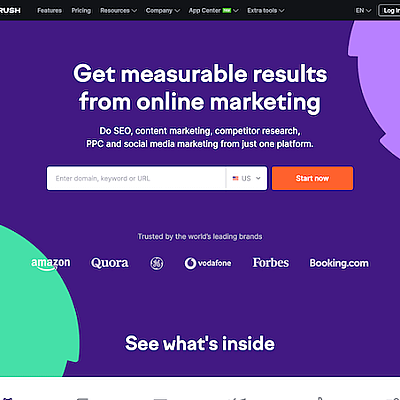
SEMrush
SEMrush is a broad marketing tool for SEO, PPC, competitors, content, and brand visibility. It makes sense when several online marketing perspectives need to be connected in one interface. Its real value is not the amount of metrics, but the ability to turn them into concrete priorities.
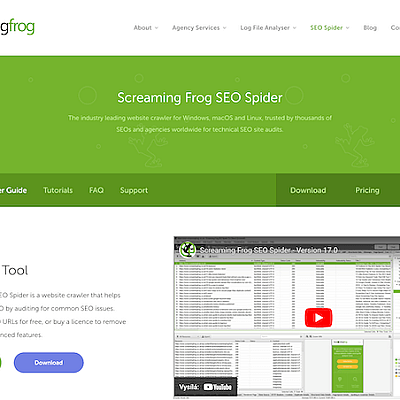
Screaming Frog SEO Spider
Screaming Frog SEO Spider is a practical crawler for technical SEO checks. It helps crawl pages similarly to a search engine and find issues in URLs, titles, meta descriptions, redirects, canonicals, status codes, and internal links. Its biggest value appears during audits, migrations, or checks of larger websites.
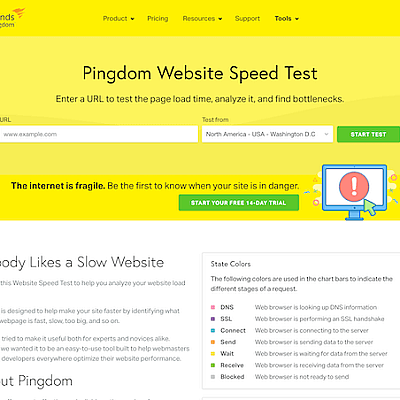
Pingdom
Pingdom is useful for straightforward uptime and speed monitoring. It helps quickly detect whether a website is running, how long it takes to respond, and when an outage happened. Its biggest value appears when you do not want to rely on customers noticing the problem first.
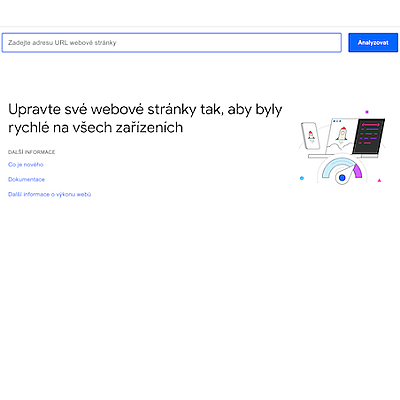
PageSpeed Insights
I use PageSpeed Insights as a quick entry point into website performance. It does not explain everything, but it shows Core Web Vitals, lab data, and specific recommendations that can affect speed and user experience. It makes the most sense when results are not treated as a score chase, but as input for real improvement.
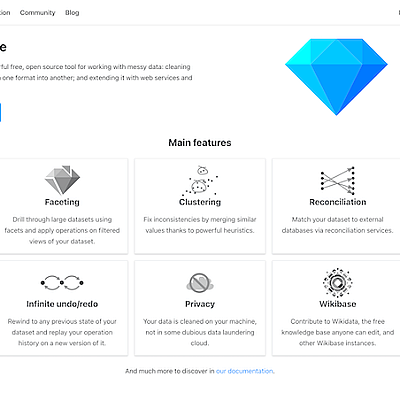
OpenRefine
I use OpenRefine mainly when data should lead to a practical decision, not just another report. It helps clean, reconcile, and transform messy data such as spreadsheets, exports, catalogs, or larger datasets from different sources. It makes the most sense when results are reviewed regularly and connected to specific changes on the website or in campaigns.
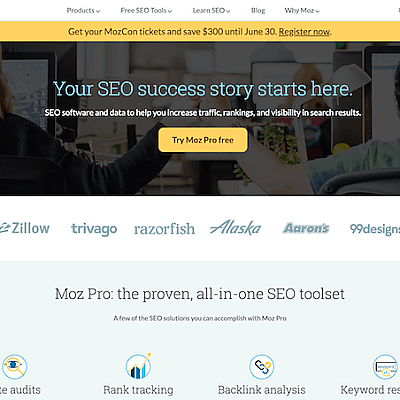
Moz
I use Moz mainly when data should lead to a practical decision, not just another report. It helps with keyword research, link tracking, site authority analysis, technical checks, and long-term SEO education. It makes the most sense when results are reviewed regularly and connected to specific changes on the website or in campaigns.
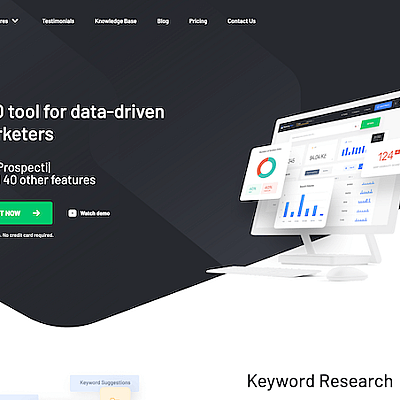
Marketing Miner
I use Marketing Miner mainly when data should lead to a practical decision, not just another report. It helps process keywords, SERP data, technical checks, change monitoring, and other marketing data useful especially for Czech SEO projects. It makes the most sense when results are reviewed regularly and connected to specific changes on the website or in campaigns.
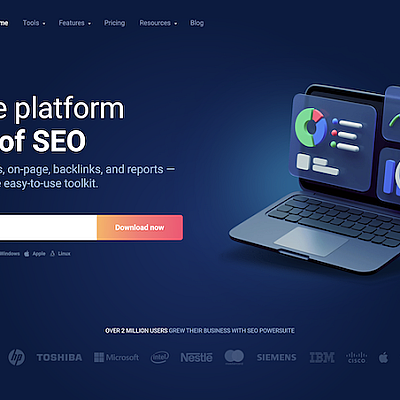
Link Assistant
I use Link Assistant mainly when data should lead to a practical decision, not just another report. It helps organize link prospecting, contacts, and outreach activities so link building does not become a chaotic list of notes. It makes the most sense when results are reviewed regularly and connected to specific changes on the website or in campaigns.
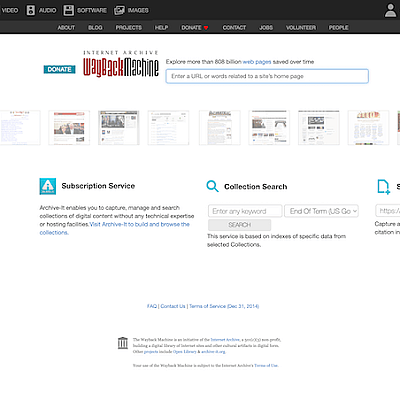
Internet Archive (Wayback Machine)
I use Internet Archive (Wayback Machine) mainly when data should lead to a practical decision, not just another report. It helps inspect older versions of websites, recover lost content, verify changes over time, or understand how a site evolved. It makes the most sense when results are reviewed regularly and connected to specific changes on the website or in campaigns.
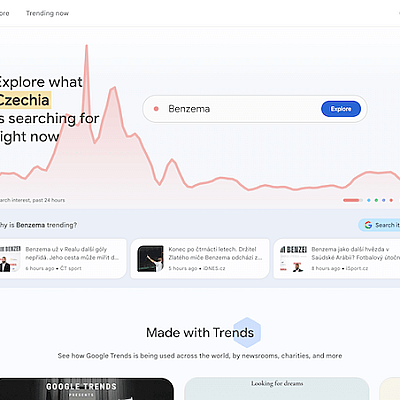
Google Trends
I use Google Trends mainly when data should lead to a practical decision, not just another report. It helps track how interest in topics, brands, or queries changes over time and across regions, which is useful for content and campaign planning. It makes the most sense when results are reviewed regularly and connected to specific changes on the website or in campaigns.
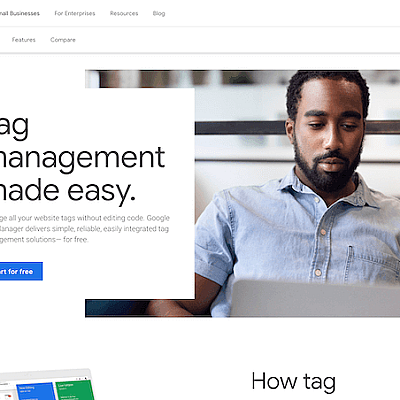
Google Tag Manager
I use Google Tag Manager mainly when data should lead to a practical decision, not just another report. It helps deploy and manage tags, events, and marketing scripts without requiring every small change to go through an application deployment. It makes the most sense when results are reviewed regularly and connected to specific changes on the website or in campaigns.
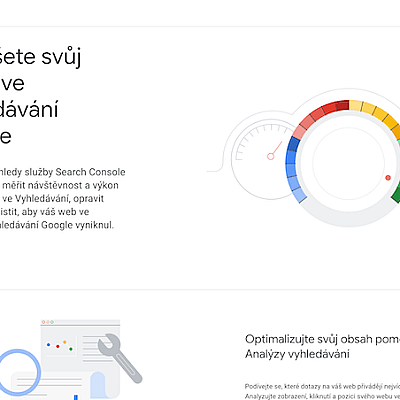
Google Search Console
I use Google Search Console mainly when data should lead to a practical decision, not just another report. It helps monitor queries, impressions, clicks, indexing, technical issues, and how Google actually sees the website. It makes the most sense when results are reviewed regularly and connected to specific changes on the website or in campaigns.
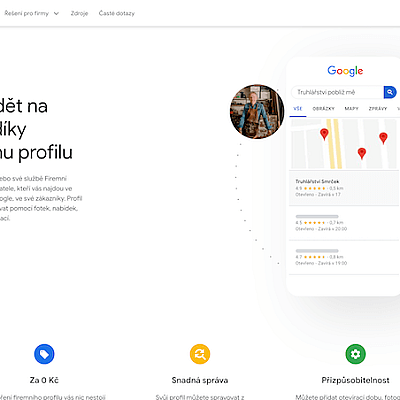
Google My Business
I use Google My Business mainly when data should lead to a practical decision, not just another report. It helps manage a business profile in Search and Maps, including location details, reviews, photos, and local trust signals. It makes the most sense when results are reviewed regularly and connected to specific changes on the website or in campaigns.

Google Data Studio
I use Google Data Studio mainly when data should lead to a practical decision, not just another report. It helps build dashboards from multiple data sources and makes metrics available to people who do not need direct access to analytics or advertising tools. It makes the most sense when results are reviewed regularly and connected to specific changes on the website or in campaigns.
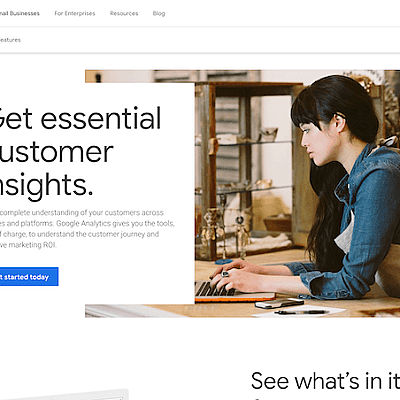
Google Analytics
I use Google Analytics mainly when data should lead to a practical decision, not just another report. It helps track traffic, sources, events, conversions, and user behavior so a website is not evaluated only by feeling. It makes the most sense when results are reviewed regularly and connected to specific changes on the website or in campaigns.
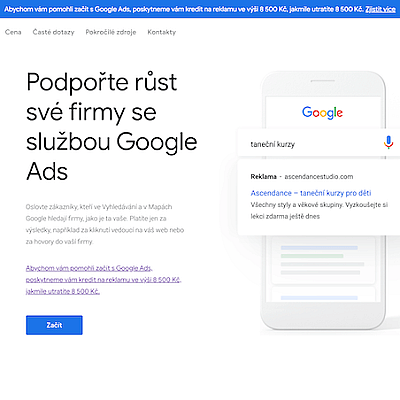
Google Ads
I use Google Ads mainly when data should lead to a practical decision, not just another report. It helps manage search, display, shopping, or video campaigns and evaluate which queries, audiences, and creatives bring return. It makes the most sense when results are reviewed regularly and connected to specific changes on the website or in campaigns.
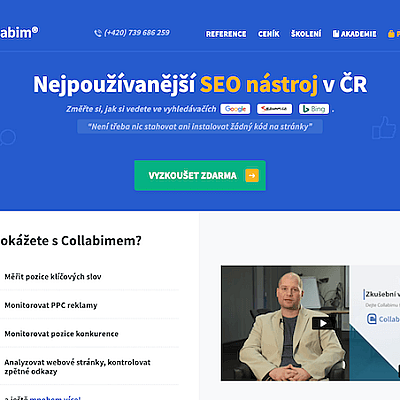
Collabim
I use Collabim mainly when data should lead to a practical decision, not just another report. It helps track rankings, keywords, competitors, and long-term organic visibility, especially in a local market context. It makes the most sense when results are reviewed regularly and connected to specific changes on the website or in campaigns.
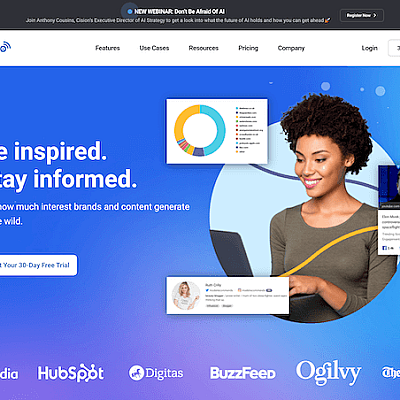
BuzzSumo
I use BuzzSumo mainly when data should lead to a practical decision, not just another report. It helps find topics that resonate in a market, monitor content sharing, competitors, and authorities that can influence distribution. It makes the most sense when results are reviewed regularly and connected to specific changes on the website or in campaigns.
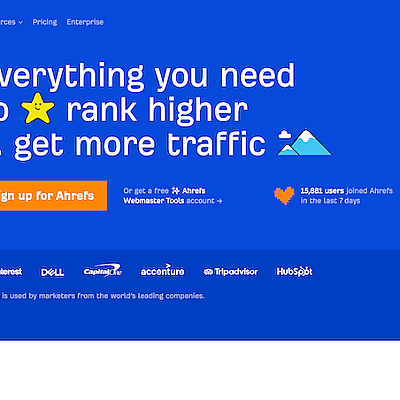
Ahrefs
I use Ahrefs mainly when data should lead to a practical decision, not just another report. It helps analyze backlinks, organic keywords, competitors, content opportunities, and technical weaknesses of a website. It makes the most sense when results are reviewed regularly and connected to specific changes on the website or in campaigns.
add_circle Missing a tool?
Suggest a tool for the list
If you could not find a useful tool here, send me its name and URL. I will review it and consider adding it to the public catalog.
