Tools
Browse tools, packages and plugins for Laravel, AI, SEO, WordPress and productivity.
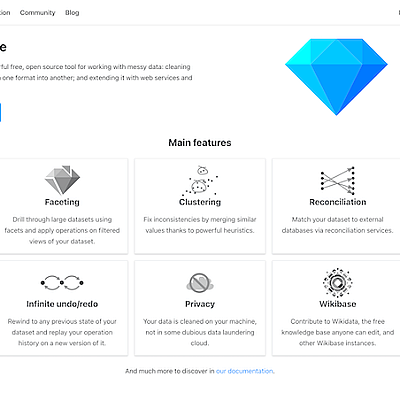
OpenRefine
I use OpenRefine mainly when data should lead to a practical decision, not just another report. It helps clean, reconcile, and transform messy data such as spreadsheets, exports, catalogs, or larger datasets from different sources. It makes the most sense when results are reviewed regularly and connected to specific changes on the website or in campaigns.
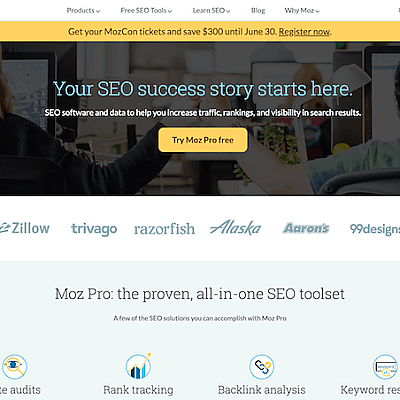
Moz
I use Moz mainly when data should lead to a practical decision, not just another report. It helps with keyword research, link tracking, site authority analysis, technical checks, and long-term SEO education. It makes the most sense when results are reviewed regularly and connected to specific changes on the website or in campaigns.
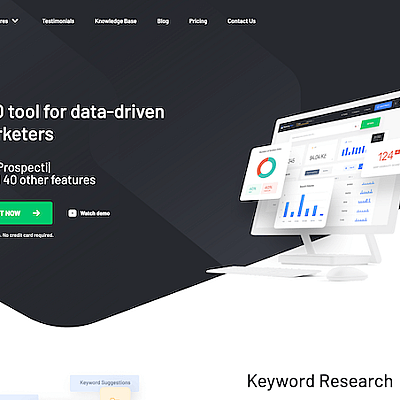
Marketing Miner
I use Marketing Miner mainly when data should lead to a practical decision, not just another report. It helps process keywords, SERP data, technical checks, change monitoring, and other marketing data useful especially for Czech SEO projects. It makes the most sense when results are reviewed regularly and connected to specific changes on the website or in campaigns.
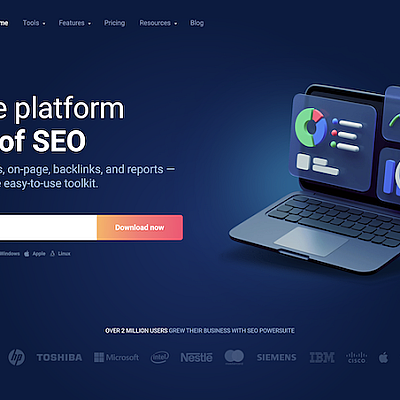
Link Assistant
I use Link Assistant mainly when data should lead to a practical decision, not just another report. It helps organize link prospecting, contacts, and outreach activities so link building does not become a chaotic list of notes. It makes the most sense when results are reviewed regularly and connected to specific changes on the website or in campaigns.
Internet Archive (Wayback Machine)
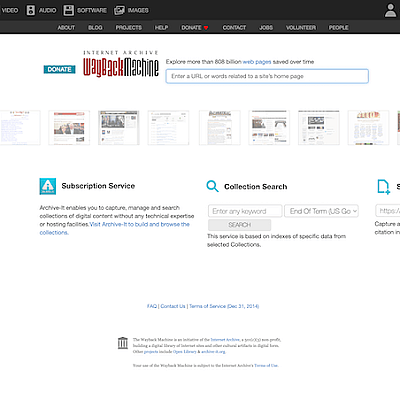
I use Internet Archive (Wayback Machine) mainly when data should lead to a practical decision, not just another report. It helps inspect older versions of websites, recover lost content, verify changes over time, or understand how a site evolved. It makes the most sense when results are reviewed regularly and connected to specific changes on the website or in campaigns.
Google Trends
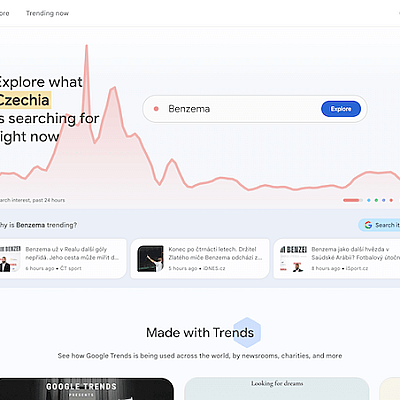
I use Google Trends mainly when data should lead to a practical decision, not just another report. It helps track how interest in topics, brands, or queries changes over time and across regions, which is useful for content and campaign planning. It makes the most sense when results are reviewed regularly and connected to specific changes on the website or in campaigns.

Google Tag Manager
I use Google Tag Manager mainly when data should lead to a practical decision, not just another report. It helps deploy and manage tags, events, and marketing scripts without requiring every small change to go through an application deployment. It makes the most sense when results are reviewed regularly and connected to specific changes on the website or in campaigns.
Google Search Console
I use Google Search Console mainly when data should lead to a practical decision, not just another report. It helps monitor queries, impressions, clicks, indexing, technical issues, and how Google actually sees the website. It makes the most sense when results are reviewed regularly and connected to specific changes on the website or in campaigns.

Google My Business
I use Google My Business mainly when data should lead to a practical decision, not just another report. It helps manage a business profile in Search and Maps, including location details, reviews, photos, and local trust signals. It makes the most sense when results are reviewed regularly and connected to specific changes on the website or in campaigns.

Google Data Studio
I use Google Data Studio mainly when data should lead to a practical decision, not just another report. It helps build dashboards from multiple data sources and makes metrics available to people who do not need direct access to analytics or advertising tools. It makes the most sense when results are reviewed regularly and connected to specific changes on the website or in campaigns.
Google Analytics
I use Google Analytics mainly when data should lead to a practical decision, not just another report. It helps track traffic, sources, events, conversions, and user behavior so a website is not evaluated only by feeling. It makes the most sense when results are reviewed regularly and connected to specific changes on the website or in campaigns.

Google Ads
I use Google Ads mainly when data should lead to a practical decision, not just another report. It helps manage search, display, shopping, or video campaigns and evaluate which queries, audiences, and creatives bring return. It makes the most sense when results are reviewed regularly and connected to specific changes on the website or in campaigns.
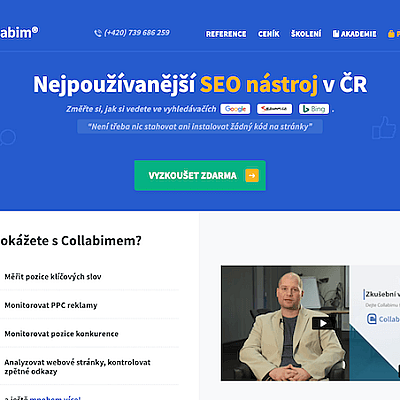
Collabim
I use Collabim mainly when data should lead to a practical decision, not just another report. It helps track rankings, keywords, competitors, and long-term organic visibility, especially in a local market context. It makes the most sense when results are reviewed regularly and connected to specific changes on the website or in campaigns.

BuzzSumo
I use BuzzSumo mainly when data should lead to a practical decision, not just another report. It helps find topics that resonate in a market, monitor content sharing, competitors, and authorities that can influence distribution. It makes the most sense when results are reviewed regularly and connected to specific changes on the website or in campaigns.

Ahrefs
I use Ahrefs mainly when data should lead to a practical decision, not just another report. It helps analyze backlinks, organic keywords, competitors, content opportunities, and technical weaknesses of a website. It makes the most sense when results are reviewed regularly and connected to specific changes on the website or in campaigns.
Spatie
Spatie is best known for its long-maintained PHP and Laravel packages. In practice, I see it as a source of proven solutions for recurring problems: permissions, media handling, activity logs, backups, data objects, webhooks, and other application concerns. The value is not installing everything, but choosing the package that truly simplifies the project.
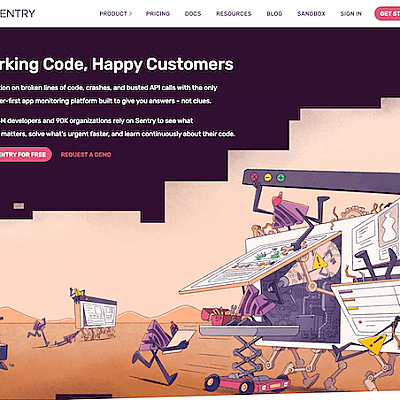
Sentry
Sentry helps monitor application errors and performance so a production problem does not remain just a line somewhere in a log file. It shows exception context, affected users, release, environment, and error frequency, making it easier to decide what is truly critical. Its real value appears when issues are actively triaged and fixed, not only collected.
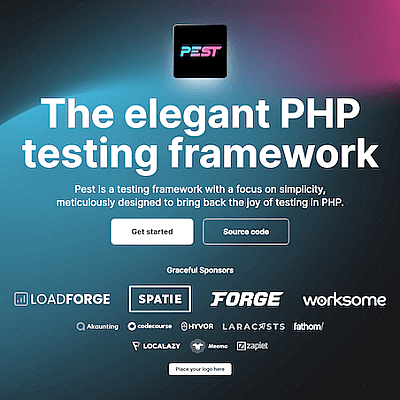
Pest PHP
Pest PHP is a modern testing framework for PHP with a simple and readable syntax. It is not only a nicer way to write tests, but a tool that lowers the friction of testing regularly and fits naturally into the Laravel ecosystem. It helps most when tests are a normal part of development, not a separate chore at the end.
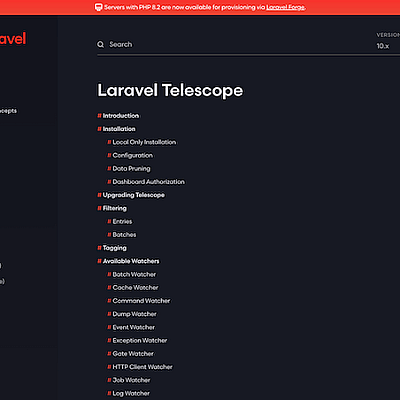
Laravel Telescope
Laravel Telescope is a developer diagnostic tool for Laravel applications. It helps inspect requests, database queries, exceptions, logs, jobs, mail, cache operations, and other events happening inside the app. It makes the most sense during local development and debugging, when you need to understand behavior quickly without digging through logs manually.
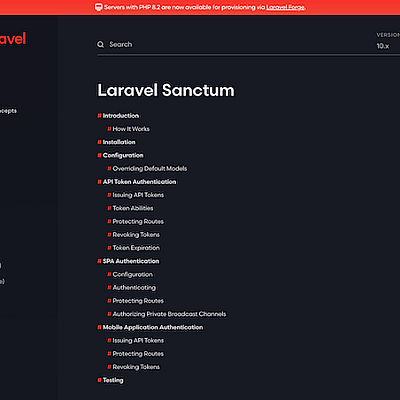
Laravel Sanctum
Laravel Sanctum is a lighter authentication solution for Laravel applications that need to protect SPAs, mobile apps, or simple token-based APIs. Its strength is not replacing OAuth in every scenario, but practicality: it supports session authentication for first-party SPAs and personal API tokens with abilities for simpler integrations.
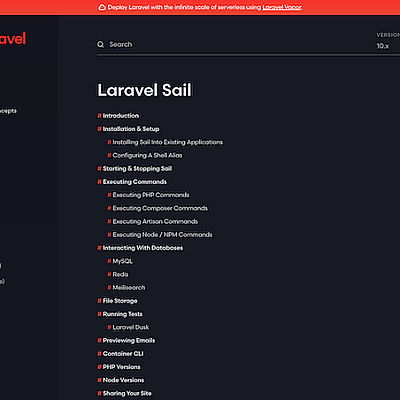
Laravel Sail
Laravel Sail is the official Docker development environment for Laravel. It helps run the application, database, cache, and other services without manually installing the whole stack on a developer machine. It makes the most sense when you want a fast project start and a consistent local environment across the team.
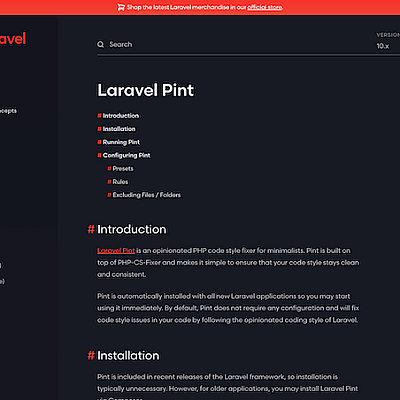
Laravel Pint
Laravel Pint solves one quiet but important problem: the team no longer has to keep discussing PHP code formatting. It is built on top of PHP-CS-Fixer, ships with sensible Laravel defaults, and works well both for local fixes and CI checks. Its biggest value appears when code style stops being a code review topic.
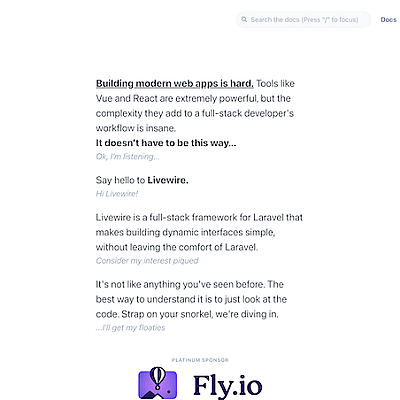
Laravel Livewire
Laravel Livewire lets you build interactive interfaces while keeping most of the logic close to Laravel. It fits forms, filters, tables, admin screens, and product areas where you do not want to build a separate frontend application for every interaction. Its biggest value appears when components stay small and clearly bounded.
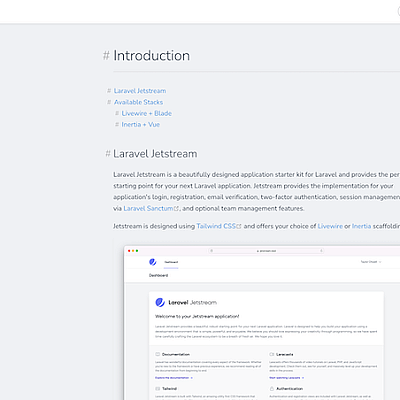
Laravel Jetstream
Laravel Jetstream is a starter kit for Laravel applications that need a ready-made foundation for login, registration, user profiles, two-factor authentication, session management, and optionally teams. It makes the most sense when you do not want to rebuild common application infrastructure from scratch, but still want to stay in the Laravel ecosystem and keep control over the result.
Showing 313 to 336 of 337 results
add_circle Missing a tool?
Suggest a tool for the list
If you could not find a useful tool here, send me its name and URL. I will review it and consider adding it to the public catalog.
